If you’ve ever wondered whether a rollator walker or a cane is the better option for getting around, you’re not alone. Whether it’s for yourself, a parent, or someone you care for, figuring out the best mobility aid can feel like wading through a sea of options.
It’s All About What Your Body Needs
First off, neither a cane nor a rollator is “better” across the board. They each serve different purposes, and what works for one person might not cut it for someone else.
A cane offers light support. It’s great if you need just a bit of balance or help taking pressure off one side of your body.

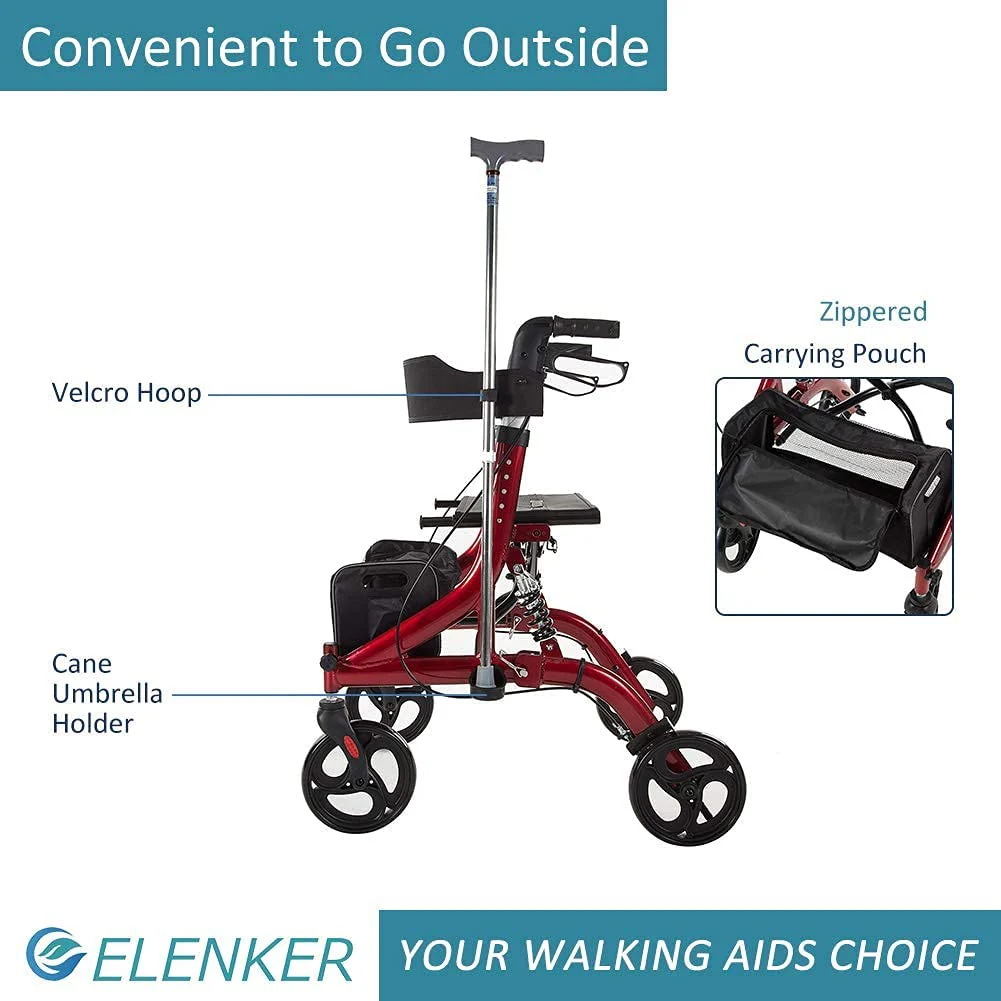
A rollator is more of a “let me hold you steady and give you a seat when you’re tired” kind of tool. It’s got four wheels, hand brakes, and often a built-in seat and basket. It’s ideal if balance, stamina, or pain management are bigger concerns.

1. Arthritis – Especially in the Hips or Knees
If joint pain is your daily companion, especially in more than one spot, a cane can sometimes feel like it’s not doing enough. You’re still hobbling along, leaning to one side and your hands start to ache from gripping that cane too tight.
Rollators offer full-body support without the need to lean unevenly. Plus, that built-in seat is a lifesaver when fatigue or joint pain flares up mid-walk.
2. Parkinson’s Disease or Balance Disorders
People with Parkinson’s or vestibular issues don’t just need support—they need stability they can count on. Canes offer some help, sure, but they only support one side. If your balance issues are unpredictable or affect both sides of your body, a rollator gives you a much sturdier base.
Some rollators even come with slow-down brakes, which can help control movement if you’re dealing with sudden shifts in motion or unsteady steps.
3. COPD, Heart Conditions or General Fatigue
If breathing is tough or your energy burns out fast, a rollator wins hands down. That built-in seat? It’s not just convenient—it’s essential. You can pause, catch your breath, and rest your legs whenever you need to.
For folks with chronic fatigue, congestive heart failure, or lung issues, this makes a massive difference. You won’t be panicking about where the next bench is—your rollator is the bench.
4. Post-Surgery Recovery (Especially Lower Body Surgeries)
After a hip replacement, knee surgery, or even a back procedure, getting around can feel like a chore. A cane might help you shuffle from one room to the next, but if you want more freedom—and less chance of overloading your healing side—a rollator is often a better bet.
It allows for smoother movement, gives support on both sides, and lets you keep moving without constantly overcompensating.
5. Neuropathy or Weakness in the Legs
If your legs feel numb, weak, or shaky, a rollator is like that steady friend who’s always got your back. People with neuropathy from diabetes or other conditions often feel unsure on their feet.
A cane won’t give you much warning if you suddenly misstep. But a rollator? It gives you something to grab onto with both hands—and you can sit down if your legs start giving out.
But Hey, Canes Have Their Place Too
Don’t get us wrong—canes are fantastic in the right context.
- If you’re mostly independent and just need a little help on uneven terrain…
- If you’re going short distances and hate carrying extra weight…
- Or if your home is tight and maneuvering a rollator sounds like a headache…
A cane might be perfect. They’re light, discreet, and easy to stash away when you’re not using them.
But once balance, endurance, or full-body support becomes a bigger part of the picture, a rollator starts looking like the smarter choice.

The Confidence Factor
One thing people don’t talk about enough is the confidence that comes with using the right mobility aid. If you’re constantly worried you’ll fall, run out of steam, or can’t carry your bag and keep your balance, that’s a stressful way to live.
Rollators can take that edge off. You’ve got a stable support system that moves with you, carries your stuff, and gives you a place to sit when you need it.
And confidence leads to movement—and movement leads to better health.
Some Downsides to Consider
Rollators are great, but they’re not perfect. They’re bigger, bulkier, and not ideal for tight indoor spaces like small bathrooms or narrow hallways. You’ll also need the upper-body strength and coordination to use the hand brakes properly.
So if you don’t need all the extra features, a cane might be less of a hassle.
It’s all about balance—no pun intended—between what you need and what fits your lifestyle.
When to Make the Switch
Still using a cane but feeling unsure on your feet? Sit down often during walks? Struggling with more than one pain point?
Those are red flags that it might be time to consider a rollator. There’s no shame in upgrading your mobility tools. In fact, the right one can help you stay more active, more social, and more independent.
Are medical rollators better than canes for certain conditions? Absolutely—depending on your situation. If you need more support, stability, or a built-in place to rest, a rollator has your back. Literally.
But don’t ditch the cane if it’s still working for you. The best choice is always the one that fits your body, your lifestyle, and your goals.
If you’re still on the fence, a chat with a physical therapist or mobility expert can point you in the right direction.
And hey—mobility isn’t about “giving in.” It’s about getting out, living your life, and walking tall (even if it’s with a little help).